Why private label
Reselling other brands means competing on price with every shop that carries them. With your own brand you control the price, the listing and the customer relationship — and the margin. Pet accessories are well suited: many products are easy to brand, and buyers care more about function and design than about the manufacturer’s name.
Which products to start with
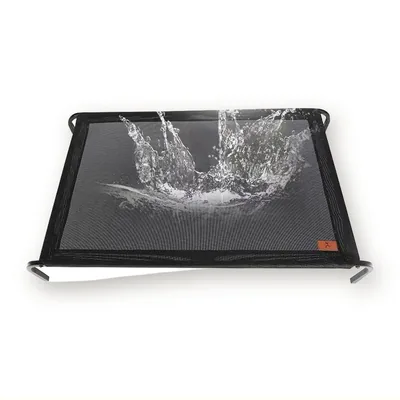
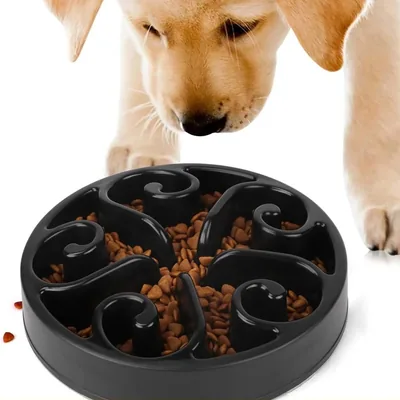
Start with products that are easy to brand and have repeat demand: harnesses and leads (logo on webbing), bowls (engraving), beds (woven label), grooming tools (print on handle) and poop-bag dispensers. Avoid electronics for your first line: CE, WEEE and battery rules add cost and risk.
Realistic minimums
- Logo on packaging only: 100–300 pieces
- Logo on the product: 300–500 pieces
- Custom colours or fabrics: 300–1 000 pieces
- New mould: 1 000+ pieces or a tooling fee
Cost structure from factory to shelf
The factory price is only part of the landed cost. Add branding and packaging, inspection, freight, customs duty, compliance (labels, tests) and delivery to your warehouse. For light products such as leads, freight is a small share; for beds and carriers it can be a third of the cost — which is why compressed packing matters.
Margins
Pet accessories commonly retail at 2.5 to 4 times the landed cost. Marketplace fees, advertising and returns take a large share online, so calculate backwards from your target retail price: retail price minus VAT, marketplace fee and marketing leaves the maximum landed cost you can afford.
Steps to launch
- Pick 3–5 products and order samples
- Prepare your logo, colours and packaging design
- Approve a branded pre-production sample
- Order a first batch at the minimum, inspected before shipping
- Test on your channel, then reorder the winners at higher volume
We handle steps 1–5 for pet brands every week. See how our private label service works.